Smart Steps to Plan, Install, and Care for a Reliable HVAC System
Starting any HVAC project begins with defining your home’s comfort goals and limits. Assess what rooms struggle most with temperature swings, identify allergy triggers, and note noise sensitivities. Document your current equipment age, energy bills, filter sizes, and thermostat behavior. This baseline helps scope work realistically and sets expectations for AC Installation, Heating Installation, or upgrades that improve Indoor Air Quality without overcomplicating the layout or inflating costs.
Next, evaluate the building envelope before touching mechanicals. Inspect attic insulation, window sealing, and duct leakage since these shape load calculations. In practice, tightening the shell can reduce equipment size, cut runtime, and extend service life. A smaller, right-sized system often cycles less, improves humidity control, and eases future HVAC Maintenance. Sequencing envelope fixes first avoids rework and ensures your investment pays off in both comfort and efficiency.
Meanwhile, compare system types with your space and lifestyle. Traditional split systems remain flexible, while Heat Pumps offer efficient heating and cooling in moderate climates. Ductless Mini Split setups suit additions or rooms without ductwork, granting zoned control. Validate electrical capacity, condensate routing, and outdoor clearances early. Align choices with long-term usage patterns, considering whether you’ll expand living areas or finish basements that may demand additional capacity or separate zones later.
Budgeting wisely means balancing upfront costs with lifecycle value. Analyze warranty terms, filter availability, and part commonality to avoid downtime during peak seasons. Then review energy ratings, but also weigh dehumidification performance, sound levels, and controls you’ll actually use. A well-selected thermostat can buffer temperature swings and reduce short cycling. Avoid overbuying advanced features that go unused; prioritize dependable components and straightforward service access to simplify future Heating Repair or AC Repair.
During design, insist on a room-by-room load calculation. Verify that supply and return paths are clear, and refine duct sizing to manage static pressure. Poor airflow undermines even premium equipment. Phase installation to protect finishes: rough-in ducts first, set equipment once dusty work ends, and calibrate controls after power is stable. Beyond that, request clear labeling on disconnects, breakers, and dampers so technicians can diagnose quickly when maintenance or adjustments are needed.
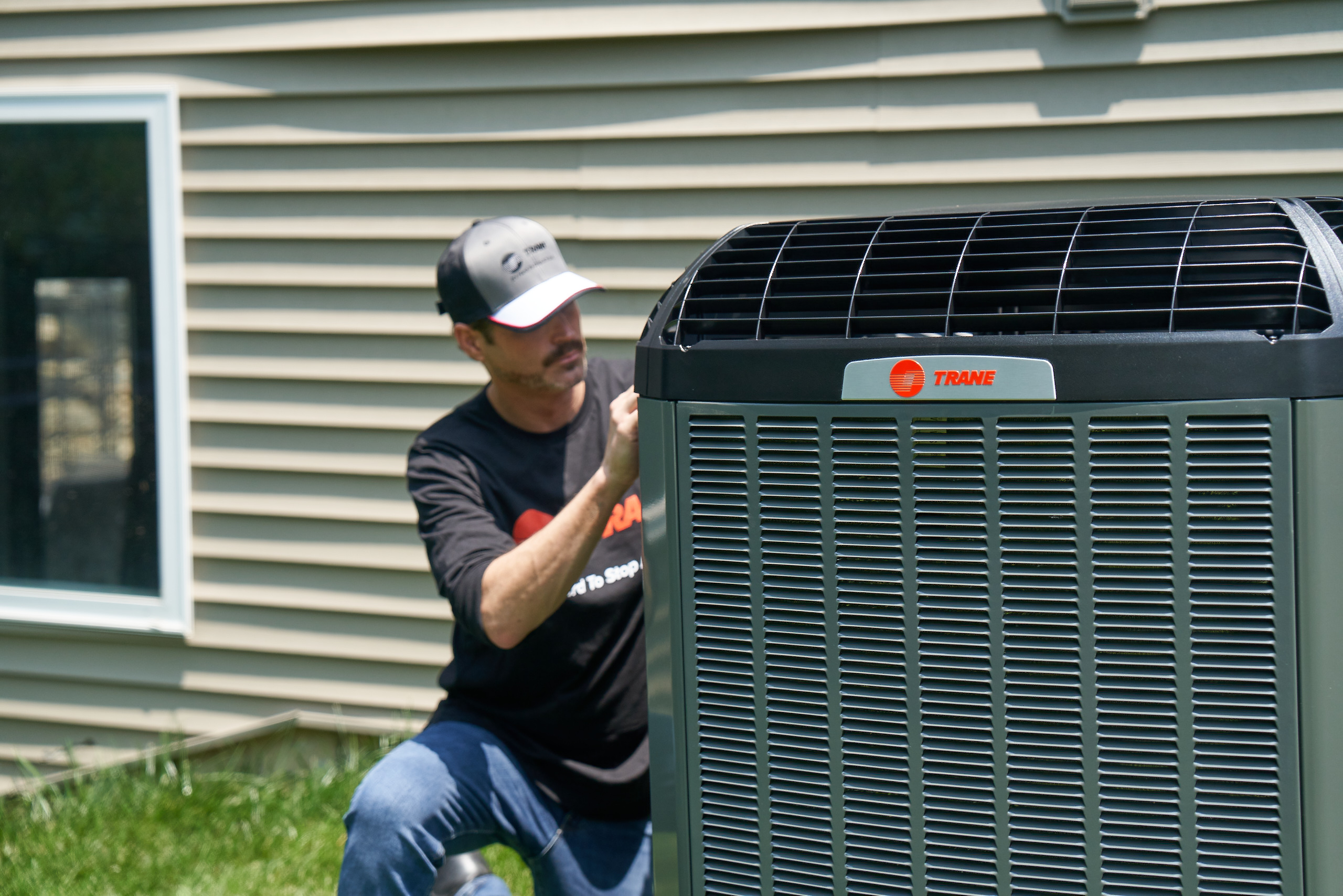
Placement decisions shape everyday comfort. Position outdoor units away from bedrooms to reduce nighttime noise, and buffer them from debris with adequate clearance. Indoors, inspect condensate lines for proper pitch and an accessible cleanout. Validate that service clearances meet code and manufacturer guidance. Simple layout refinements—like raising air handlers for pan access or adding service lights—can shorten future visits and reduce disruption when filters, belts, or sensors require attention.
Commissioning is where performance becomes real. Technicians should verify refrigerant charge, measure static pressure, and balance airflow to each register. Calibrate thermostats and dehumidification settings based on your regional climate and comfort preferences. Document serial numbers, filter sizes, and media change intervals. Finally, test heat and cool modes under load, confirm condensate drainage, and log baseline readings so any drift over time signals when professional evaluation is needed.
Seasonal strategies help systems thrive. Often, spring checks focus on cooling readiness and fall visits prep the heating side. Replace or clean filters on a cadence appropriate to pets and dust levels, and keep outdoor coils free of leaves. Inspect drain pans before heavy humidity hits. Validate carbon monoxide alarms in homes with combustion appliances. Small, routine tasks support reliability, efficiency, and consistent air delivery through the toughest weather swings.
Indoor air considerations go beyond filtration. Sequence upgrades like UV lamps, media cabinets, or dedicated ventilation to address specific concerns rather than stacking every accessory. Balance fresh air with humidity control to avoid clammy interiors. Then evaluate duct sealing to reduce bypass and improve mixing. When occupants report uneven temperatures or odors, document times, rooms, and activities; patterns often reveal root causes faster than guesswork or wholesale equipment changes.
Long-term ownership benefits from organized records and clear expectations. Keep manuals, commissioning data, and a service log in one place. Validate that any changes—like a finished attic or added bedrooms—trigger a quick load review. When systems age, stage replacements to preserve comfort, planning lead times for major parts. With steady attention to sizing, airflow, and maintenance, your HVAC can deliver dependable comfort while minimizing surprises over its service life.